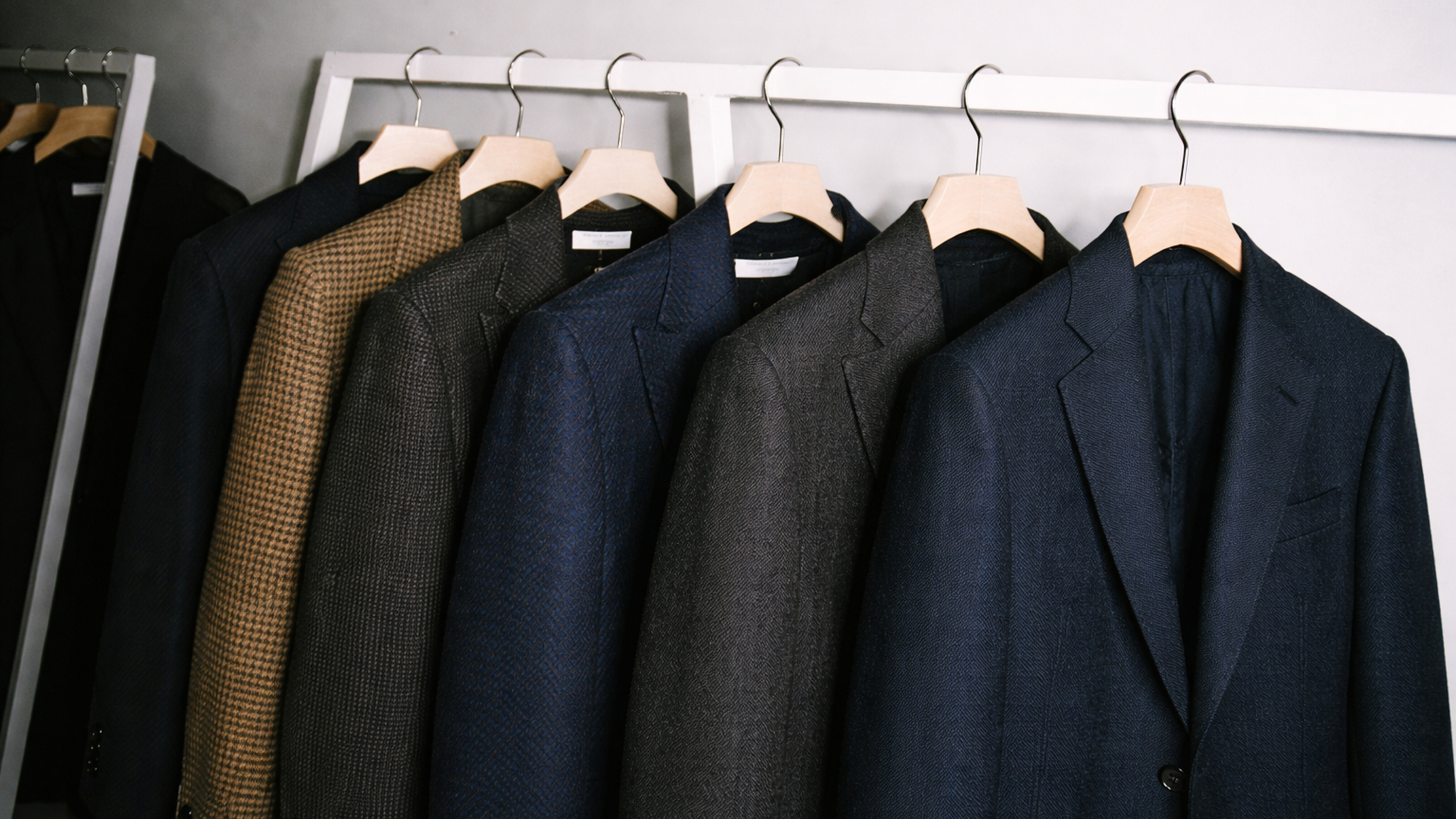

If you have ever wondered why two garments crafted from similar looking fabric feel worlds apart when worn, you are not alone. The reason is rarely visible at first glance, but it plays a critical role in how a garment performs over time.
Picture this. You spot a stunning blazer in a renowned showroom, whether high fashion or fast fashion. It draws your attention immediately. You try it on, glance in the mirror, and everything feels right. The collar looks crisp, the lapels sit smoothly, and the drape feels flawless. Confident in your choice, you buy it for an important meeting or special occasion.
The day arrives. You button it up and check the mirror again. You look sharp, confident, and ready. But as the hours pass, something changes. The collar begins to wilt under your tie. The front panels ripple with every movement. By evening, the garment has lost its shape. You hang it up, frustrated and disappointed, wondering why it failed after just one wear.
This is not bad luck, poor fabric quality, or buyer’s remorse. What failed is the garment’s backbone. The interlining.
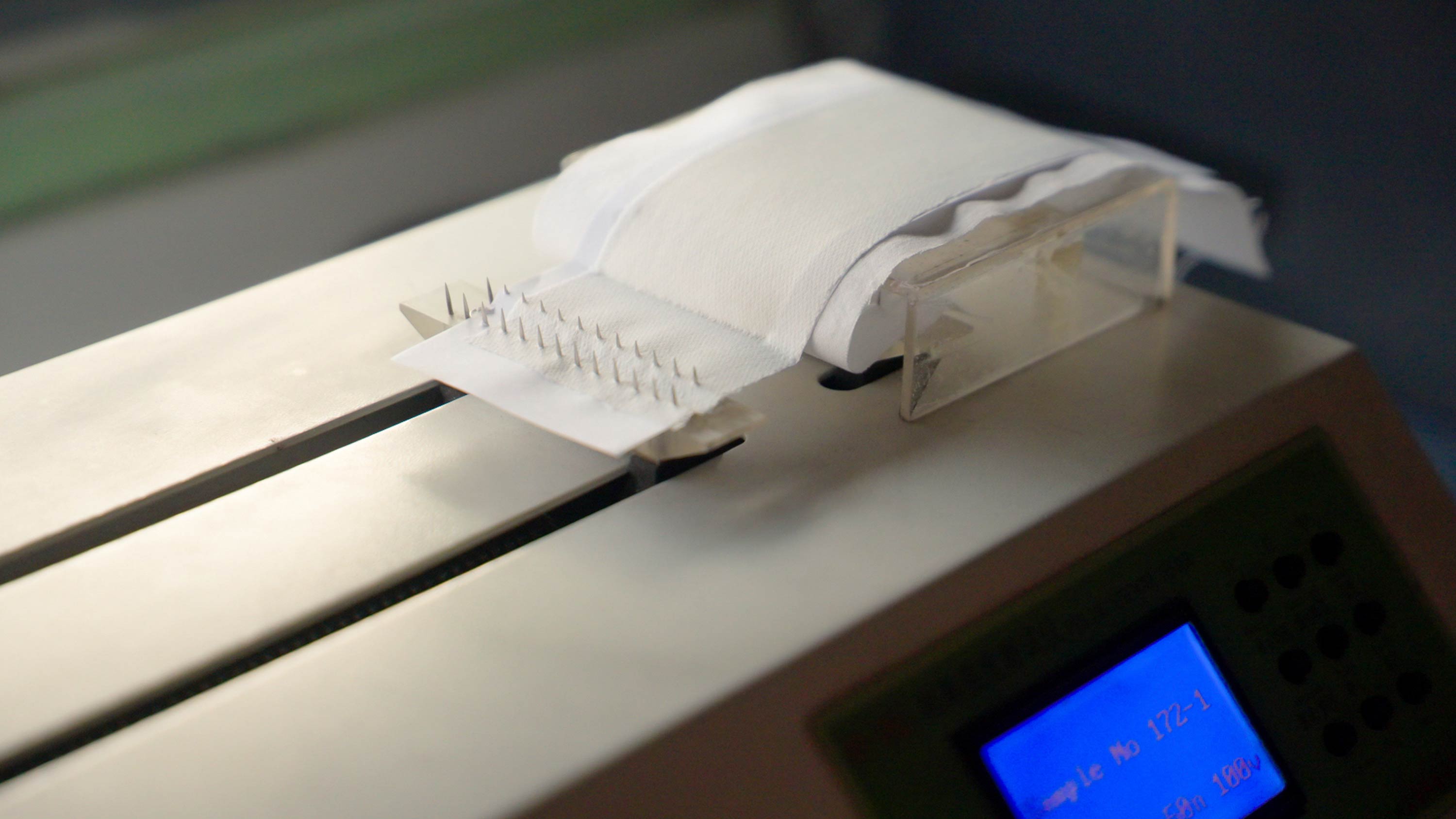
Interlining is the invisible layer fused beneath the outer fabric using controlled heat and pressure. It determines how a garment holds its structure, how it drapes, and how it performs during wear.
Take two shirts made from the same premium cotton. One maintains its shape throughout the day. The collar stays upright, the placket lies flat, and the fabric recovers naturally after movement. The other loses form quickly and looks worn within hours. The difference lies in the choice of interlining.
When matched correctly, interlining provides tailored support. It can add firmness or flexibility depending on the garment’s function. This balance allows the garment to withstand wear, washing, and time without losing its intended silhouette.
Different garments require different types of interlining. A silk dress needs soft support that enhances movement without overpowering the fabric. A wool jacket requires firmer control to maintain clean lines and sharp structure.
Poor interlining overwhelms the outer fabric. Collars begin to curl, hems droop, and garment forms distort prematurely. When interlining is chosen and applied correctly, garments age gracefully and retain their elegance season after season.
This understanding changes how you evaluate clothing. True quality is not defined by how a garment looks on the hanger or on the first day it is worn. It reveals itself over time, through consistent shape retention and performance.
At Goodwear Fashions, this is the foundation of our work. We engineer interlinings that quietly support garments from the inside, helping them maintain structure, comfort, and durability across real use.
A garment that holds strong is not accidental. It is designed that way.
So the next time you judge a piece of clothing, look beyond the surface. The real difference is usually hidden inside.