

Sustainability at Goodwear isn’t driven by trends or buyer pressure. It comes from a simple belief: if we make something, we’re responsible for its impact. This awareness shapes how we use water and energy, how we manage air quality, and how we support the communities around us.
Goodwear prioritizes water recycling, with a building design that funnels all wastewater back for reuse, significantly reducing water consumption below industry averages. This commitment extends to innovative solutions, such as the upcoming implementation of rotary brush cleaning systems for solar panels, projected to cut water usage by 80% compared to current methods.
Furthermore, Goodwear utilizes dope-dyed yarns in its manufacturing process. This method involves adding color to melted polyester chips before they are drawn into yarn, eliminating the need for water-intensive fabric dyeing and resulting in substantial water savings.
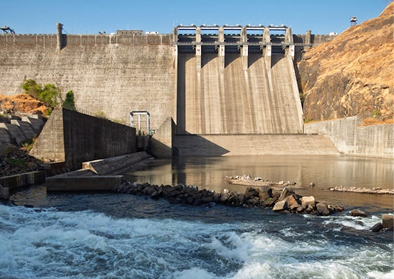
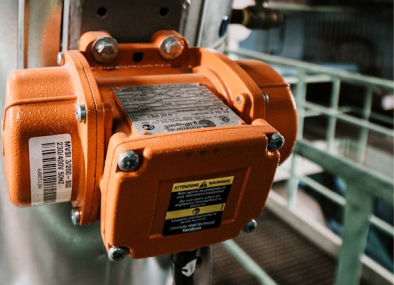
We keep emissions well under 50 ppm by using bag filters and water scrubbers, surpassing legal limits by a wide margin. This system runs continuously, ensuring cleaner air inside and outside the plant with consistent, measurable control.
We’ve reduced our carbon footprint by shifting to PNG and briquettes, improving process efficiency, and investing in cleaner operations. Ongoing efforts, including upgrades tracked through our Higg FEM assessments, help us push our energy use and emissions even lower.
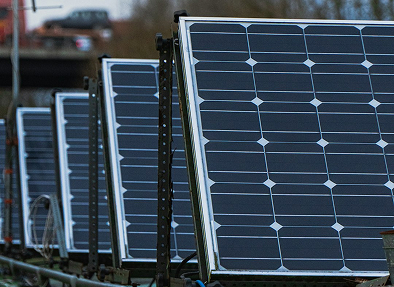
Our community work focuses on education and long-term growth. We repair schools, promote sports like football, and run English and confidence-building programs in remote areas, including continued work with students in Ranchi.
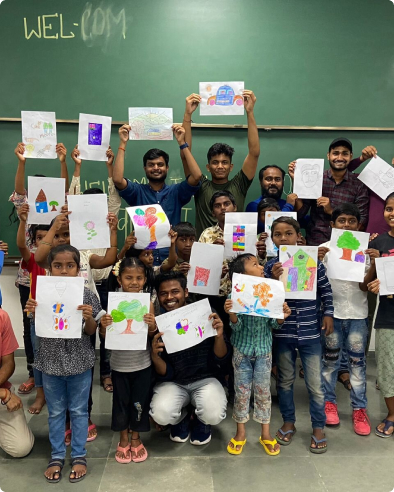
Built on decades of experience and driven by continuous improvement, Goodwear's sustainability journey is a living commitment to future generations.